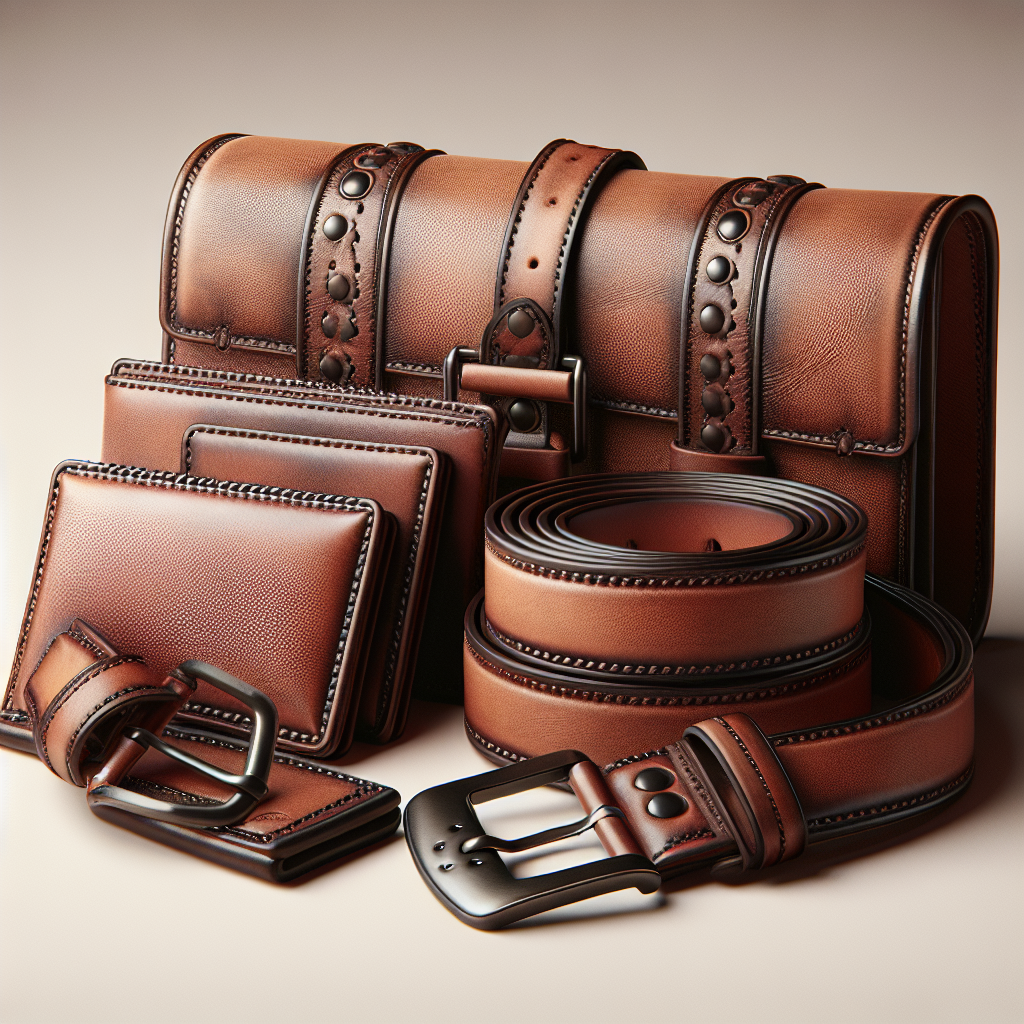
Bonded Leather Work
This is the lowest quality of leather work. It's made from leftover scraps of leather that are bonded together with adhesive and dyed to give it a uniform appearance. It's used in low-cost products and isn't as durable or long-lasting as the other types.
Bonded leather, relatively a newcomer in the long passage of the leather industry, has garnered a reputation for its affordability and versatility. A by-product of other leather work – this environmentally friendly initiative uses left-over pieces, which are bonded together to create a new material.
The history of bonded leather work doesn’t trace as far back as other leathers, instead, it is linked to the rise of industrialisation and mass production in the late 20th Century. With the emergence of new technologies and manufacturing processes, this new class of leather came about as an inventive solution to waste management in the ever-growing leather industry. As a reconstituted leather, it embodies environmental sustainability sentiments, leading to its rise in popularity.
While it may not have the deeply stitched history of other leathers, the creation of bonded leather demonstrates the industry's continual evolution driven by innovation and adaptation. This has allowed for a more affordable alternative for consumers wishing to harness some of the many qualities of leather without the high cost often associated with premium, grain-based leathers.
The process of making bonded leather begins with the collection of leather scraps, which are often sourced from furniture manufacturers, tanneries, and various other leather goods manufacturers. It uses remnants and pieces that wouldn’t typically be employed in the crafting of higher-end products, thereby minimising waste.
Once collected, the scraps undergo a process of shredding. This results in fine leather particles that are then bonded together using polyurethane or latex on top of a fibre sheet. Considerable pressure is applied to ensure the fibres adhere, creating a product that mirrors the texture of genuine leather but at a significantly lower cost.
During the manufacturing process, colour or a leather-like texture can be applied to the surface of bonded leather to replicate the look and feel of more expensive alternatives. Bonded leather can then be embossed with a leather grain pattern that, to the untrained eye, can make it look no different from top-grain or full-grain leather.
The subsequent product retains some of the look and smell associated with genuine leather, but, in terms of quality and durability, resides on a lower tier. Still, it has found its niche. Bonded leather continues to be popular in the furniture industry, particularly in upholstery, as well as being used in bookbinding and a variety of other consumer goods such as handbags and shoes.
Despite the differing opinions on its quality and longevity, bonded leather has played a significant role in democratizing the consumption of leather goods. It has opened the market and made leather-like products more accessible to a larger audience, all the while encouraging more sustainable practices by placing unused remnants back into the production cycle.
In conclusion, bonded leather work, although not steeped in tradition like other types of leather, is an aspect of the leather industry that encapsulates progression, innovation, and a keen sense of turning waste into worth. It's a testament to the evolution of eco-conscious manufacturing within the industry and continues to occupy its own space alongside its genuine counterparts.