Suede Leather Work
It is a type of leather with a napped finish. It is most commonly used for jackets, shoes, shirts, purses, furniture and other items.
The delicate texture and luxury associated with suede make it an instantly recognisable and favoured material in the world of fashion and upholstery. Derived from the underside of animal skin, suede offers a unique softness and pliability, unsurpassed by any other type of leather. Its history and the methods employed in its production reveal a material that is steeped in craftsmanship, tradition, and innovation.
Suede’s origins trace back to the indigenous Saami people of northern Scandinavia. The Saami created clothing and footwear from reindeer hides, treating them specially to produce a warm, windproof and soft material. The French were the ones who coined the term "suede". In the mid-19th century, French glove-makers began to create soft, pliable gloves, importing luxuriously soft Swedish leather, thus earning the name "suede", meaning "Swedish" in French.
Creating suede involves a meticulous process more complex than the more common leather-making techniques. It starts with the tanning of a hide, commonly from sheep, goat, or calf, making it stable and suitable for use. The hide is then split into two layers. The top portion goes on to become top-grain leather, while the fuzzy underside is used to create suede, featuring its signature napped surface.
This split leather is then buffed and sanded until it exhibits its distinctive soft and fuzzy finish. One feature that sets suede apart from other types of leather is its lack of a protective outer layer. This enhances its suppleness and texture, but also makes it more susceptible to damage and staining. Consequently, this necessitates further treatment, such as the application of special sprays or sealants to safeguard its delicate surface.
Suede rose to prominence in the 20th century, particularly during the 1960s and ’70s. Fuelled in part by the bohemian fashion of the era, suede made its way into all realms of style, from clothing and footwear to handbags and other accessories. It became a symbol of relaxed luxury, with its soft hand, understated elegance, and earthy hues.
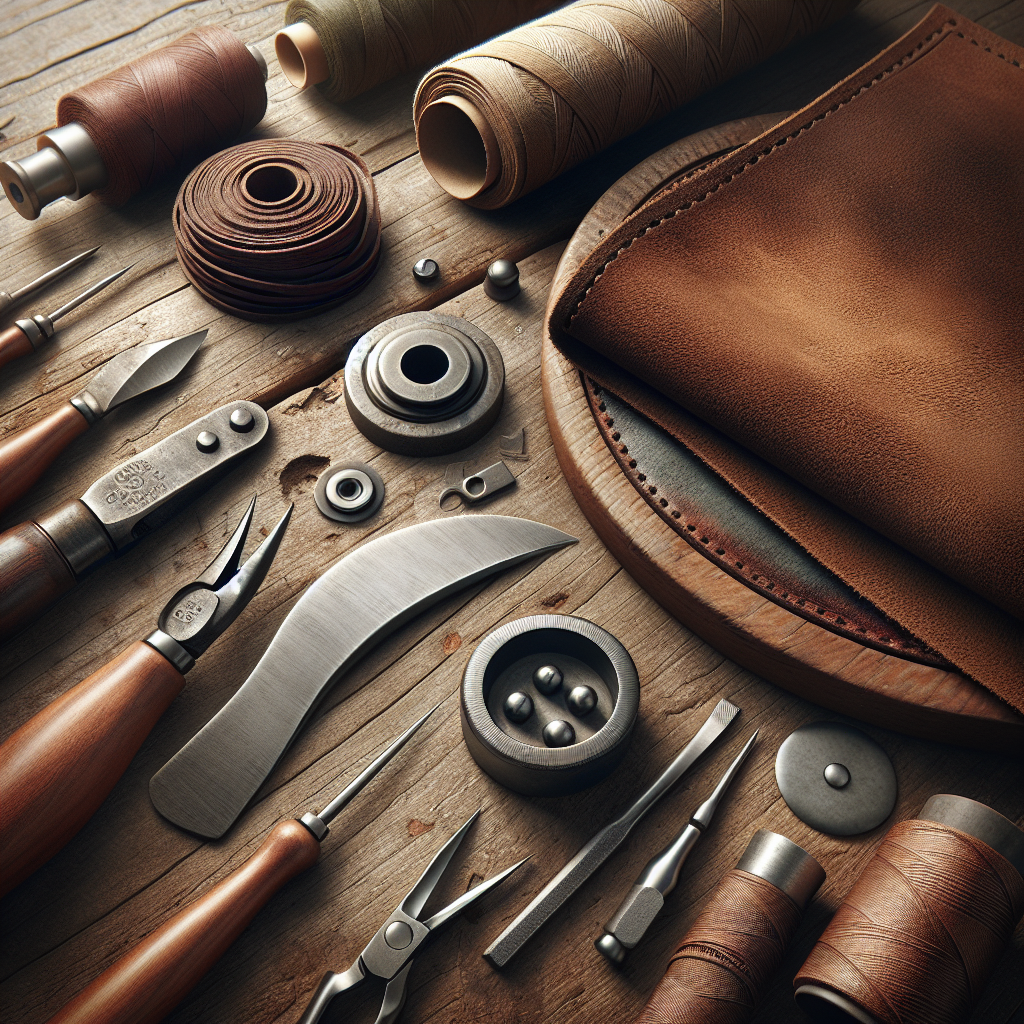
Historically, suede was traditionally hand-stitched, due to its vulnerability to puncturing compared to other types of leather. Modern manufacturing methods, however, have enabled more flexible ways of working with suede. Various methods of cutting, sewing, and bonding have been developed over the years to ensure durability and good craftsmanship, while maintaining its characteristic softness.
Contemporary suede leather work also involves the use of synthetic suedes, made from polyester microfibre. These bear a close resemblance to genuine suede and offer improved durability and stain resistance, highlighting advances in technology and our quest for practicality and functionality without sacrificing aesthetics.
Ultimately, the history of suede leather work is a testament to humankind’s ongoing romance with fine materials. Despite the proliferation of synthetic alternatives, the desire for real suede continues unabated today. Its continued appeal stems from its distinctive touch, warm aesthetic, and the sheer pleasure of crafting with such a beautiful material. Through a delicate balance of tradition and innovation, suede exemplifies the versatility and enduring appeal of leather work.