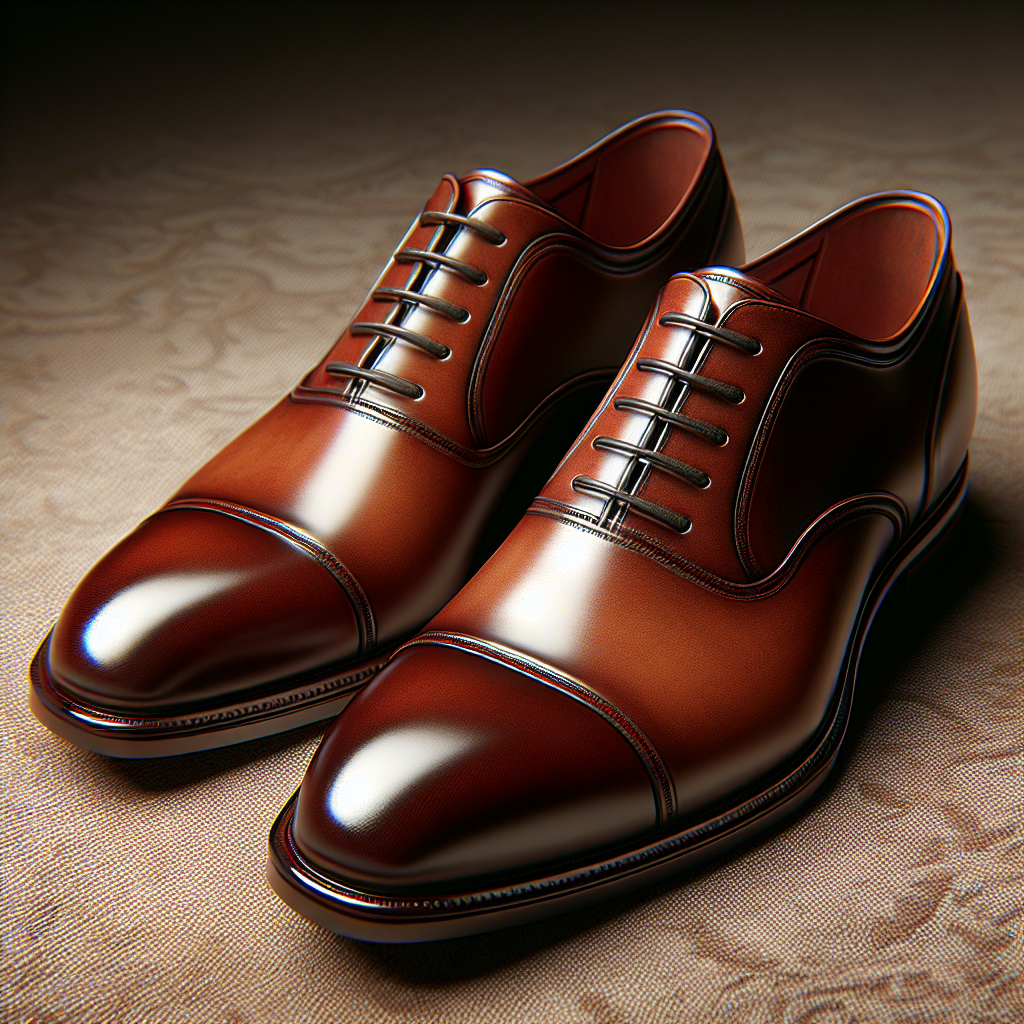
Shell Cordovan Leather Work
This type of leather is a specific kind of horse hide, prized for its durability, shine, and unique texture. It's most commonly used for high-end footwear, specifically for men's dress shoes.
Shell cordovan leather is a special, somewhat rarefied kind of leather highly prized for its durability, shine, and smooth texture – so much so that it's often revered as the 'king of leathers'. Tracing its roots to Cordoba in Spain, the journey of shell cordovan leather work reflects an interesting blend of history, fine craftsmanship, and uncompromising commitment to quality.
The origins of shell cordovan date back to 7th-century Cordoba, where Visigothic craftsmen started producing horse hide leather as a canvas for their precious artworks. The term 'cordovan' is derived from 'Cordoba', while 'shell' refers to the specific part of the horsehide used – the taut, oval-shaped section from the horse's rear.
One of the major turning points in shell cordovan leather work history took place during the Moorish occupation of Spain. Artists began using shell cordovan for their stamped and gilded leather artworks for which Cordoba is famous. Over the centuries, the production of shell cordovan spread across Europe, finally making its way to the United States in the late 19th and early 20th centuries.
As for the methods used in creating shell cordovan, it's a time-consuming process that requires intricate skills and plenty of patience. First, the horsehide is meticulously cleaned and soaked to remove the hair. It's then put through a tanning process that usually takes about six months. The hides are steeped in vegetable tannins, conveying the natural hue and supple feel to the leather.
Post-tanning, the hide is hand-dyed with colours that range from natural to burgundy and black. Each shell is then carefully inspected for quality, then conditioned with natural oils and waxes. This enhances the inherent shine of the leather and adds an extra layer of protection.
The toughness of shell cordovan also contributes to its longevity. This makes it particularly suitable for items that are subject to wear and tear, like shoes, wallets, and watch straps. Its unique non-creasing quality sets it apart from other leathers, as it tends to roll with use instead of creasing, preserving its sleek outlook for years.
It's worth noting, however, that with the increasing focus on ethical usage and practices, some feel conflicted. As shell cordovan comes from horsehide, it can only be produced at a volume that correlates with horse meat consumption, primarily from countries where it is a part of the local diet. This, coupled with the time-intensive production process, contributes to shell cordovan leather's higher price tag and exclusive status.
In essence, shell cordovan leather work, ingrained in hundreds of years of tradition, remains a testament to dedicated craftsmanship. While it's relatively niche compared to other leather varieties, for those who appreciate its unique characteristics of gleaming shine, non-creasing behaviour, and remarkable durability, shell cordovan represents an investment that pays dividends over time. Its enduring appeal in a world that continuously evolves and changes truly reinforces its reputation as the 'king of leathers'.