Patent Leather Work
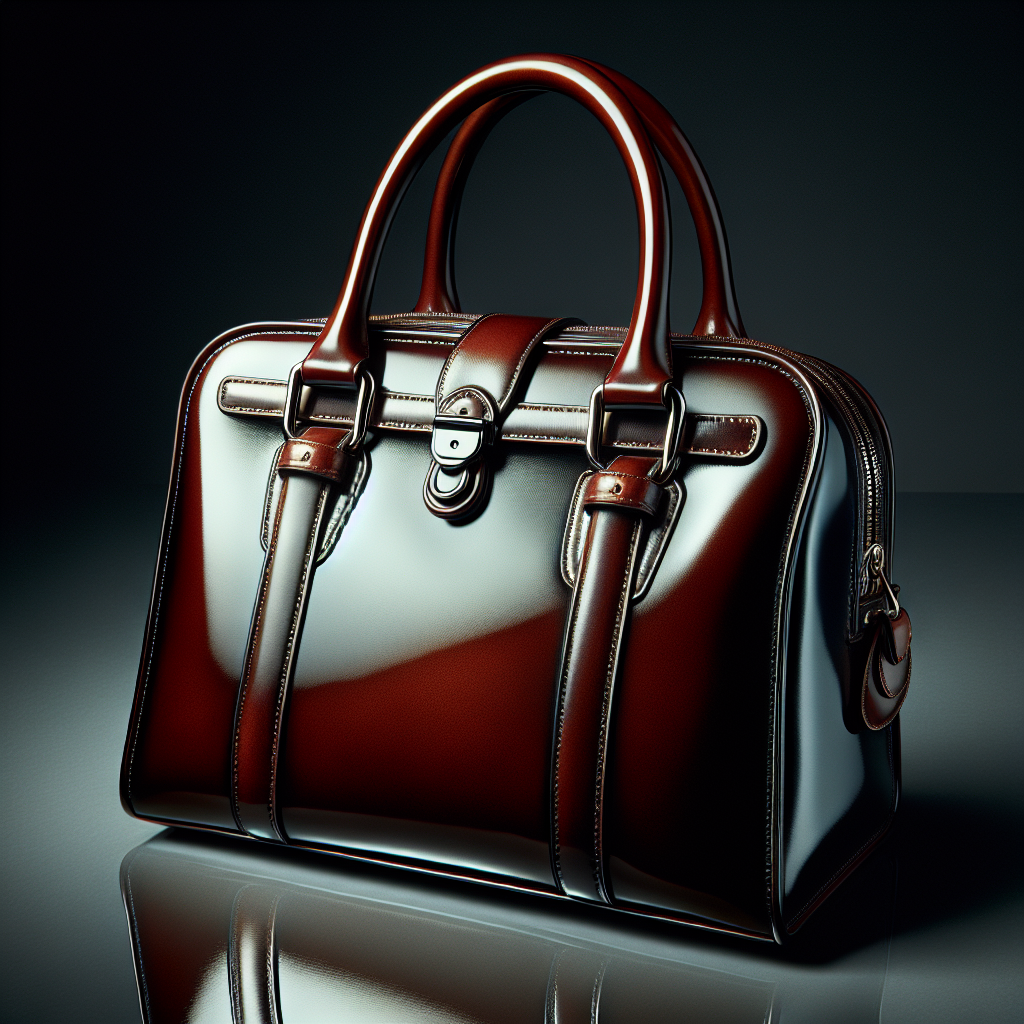
Patent leather is a type of leather that’s been coated in a high gloss finish. The process creates a shiny, almost mirror-like finish on the leather. It is used in dress shoes, dance shoes, and some bags and accessories.
Patent leather is characterised by its glossy, mirror-like finish, a type of leather perfect for formal footwear and high-fashion accessories. In this finish, it speaks of luxury and elegance, thanks to its intense lustrous shine and smooth texture. The history and methods of patent leather production showcase a journey of invention, evolution, and fashion trends.
The birth of patent leather occurred in the early 19th century when inventor Seth Boyden, of Newark, New Jersey, started experimenting with different techniques to create a weather-resistant, highly polished leather that didn't need regular maintenance to keep its glistening appearance. By 1819, Boyden had perfected the process that led to the creation of the high-gloss leather we know today.
The specific method he developed involved treating leather with layers of linseed oil-based coats. The application and linseed oil coats infuse deep into the leather, then the finishing bark is extracted to give a trademark glossy, almost glass-like finish.
After its invention, patent leather rapidly gained popularity. During the 19th and 20th centuries, mostly associated with formal footwear, particularly men's dress shoes and women's court shoes. With the shine and gloss of high-end luxury items, the leather was a fashion statement and status symbol. Its use soon extended towards accessories like handbags, belts, and gloves due to its visual appeal and durability.
The method of manufacturing patent leather has evolved over the years. Modern patent leather is typically produced using a process known as 'dope coating'. This involves applying one or more layers of a plastic solution, usually polyurethane or acrylic, onto a leather base. The leather then undergoes a heat treatment to create the hard, glossy surface.
The finished result is a type of leather that is not only fashionable but also remarkably durable and easy to clean. Most liquid spills can be easily wiped off, and the leather’s glossy finish is not easily scratched or scuffed. The use of plastic coating has made patent leather more affordable and accessible, contributing to its continued popularity.
Although the manufacture of patent leather has become more efficient and the material itself more affordable with the adoption of modern techniques, the principles underlying its appeal have remained consistent. Patent leather signifies style and sophistication, thanks to its unique glossy finish and its connection with formal and luxurious items.
However, like all leather products, patent leather has faced criticism from environmental and animal rights advocates. Alternatives such as synthetic patent leather, made from plastic materials to mimic the glossy finish of real patent leather, have been introduced to meet the demand for more sustainable and ethically conscious products.
Patent leather encompasses a specific niche within the leather industry, characterised by its lustrous finish and link with luxurious products. Despite changes over the centuries in manufacturing methods and societal attitudes, the constant defining factor remains its high-shine and distinctive aesthetic appeal, enabling patent leather to maintain its position within the world of fashion and beyond.